

A beginners guide to CBD, CBD, Health and Wellness
10 Benefits of CBD: The Science-Backed Guide to Daily Wellness

Mar
Table of Contents
10 Benefits of CBD
CBD oil is increasingly popular as a food supplement, with supporters believing it may help a number of conditions. However, there are important considerations when exploring these potential benefits, and caution should be exercised if considering the use of over-the-counter products.
Key considerations if you’re thinking about CBD:
• Start with professional guidance: Speak to your GP or healthcare professional before using CBD oil, particularly if you have pre-existing conditions or take other medications.
• Begin with low doses: Most experts suggest starting with small amounts and increasing gradually to find what works for your individual needs.
• Product types matter: Full-spectrum CBD contains multiple compounds from the cannabis plant, whilst topical products may be applied directly to affected areas for localised relief.
• Timing can affect results: Some people find CBD helpful when taken in the evening for sleep support, whilst others prefer morning use for daily wellness.
• Research shows mixed results: Studies suggest CBD may help with chronic pain, sleep quality, and anxiety symptoms, though more research is needed to establish definitive benefits.
• Some products have approval: Epidiolex, a CBD-based medicine, is licensed for certain types of epilepsy, demonstrating CBD’s potential medical applications under proper supervision.
If you’re considering using CBD oil, you should speak to your GP or other healthcare professional to ensure that it is safe and appropriate for you to do so.
Research into CBD continues to develop, with studies examining its potential effects on pain, sleep, and other conditions. Early evidence suggests CBD may support various aspects of wellness, though it’s worth noting that individual responses vary considerably. This guide examines what current research tells us about CBD oil benefits and how they might fit into daily health routines.
What is CBD oil?
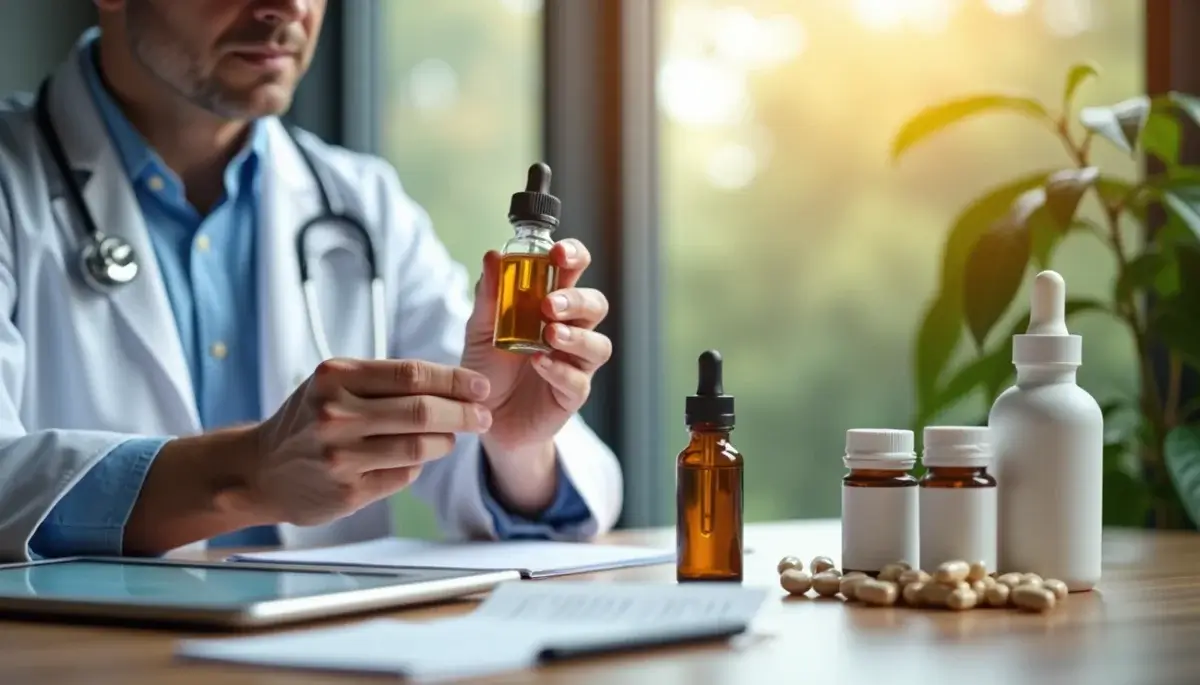
Cannabidiol, commonly known as CBD, is a natural compound found in cannabis plants. Cannabis sativa, the flowers of which are also known as marijuana, is a plant that contains many chemicals. One of these substances, cannabidiol (CBD), has gained widespread popularity in the health world.
How the endocannabinoid system works
The human body has a system called the endocannabinoid system (ECS) that helps regulate pain, discovered in the early 1990s by researchers exploring THC. This system controls sleep, mood, appetite, memory, reproduction, immune function, and pain control.
The body produces natural substances called endocannabinoids, which bind to special receptors in the body and help reduce pain sensations. Experts have identified key endocannabinoids including anandamide, named after the Sanskrit word for bliss, and 2-arachidonoylglycerol (2-AG). These molecules bind to cannabinoid receptors scattered throughout your body to signal when the ECS needs to take action.
There are two main types of receptors. CB1 receptors concentrate in your central nervous system and outnumber many other receptor types in the brain, acting like traffic cops to control neurotransmitter levels and activity. CB2 receptors exist mostly in immune tissues and help control immune functioning, playing a role in modulating intestinal inflammation and pain in inflammatory bowel conditions. Enzymes then break down endocannabinoids once they’ve carried out their function.
The ECS maintains homeostasis, which refers to stability of your internal environment. When an outside force like pain or fever disrupts your body’s balance, the ECS activates to restore ideal operation.
How CBD differs from THC
CBD is different from tetrahydrocannabinol (THC) – also a substance from the cannabis plant. The latter is responsible for the ‘high’ typically associated with marijuana. CBD, however, is non-intoxicating, and some believe it may have potential health benefits.
There is still some uncertainty around how it works, but what we do know is that CBD interacts with the endocannabinoid system differently from THC. CBD doesn’t bind to CB1 or CB2 receptors the way THC does. Many believe CBD works by preventing endocannabinoids from being broken down, allowing them to have more effect on your body. Others suggest CBD binds to a receptor that hasn’t been discovered yet.
Hemp plants contain less than 0.3% THC, whilst cannabis plants with concentrations above 0.3% are considered marijuana. CBD usually comes from hemp to avoid adding larger amounts of THC.
Types of CBD products

Full-spectrum CBD contains all extracts of the cannabis plant, including up to 0.3% THC legally. These compounds work together in what’s known as the entourage effect, a theory suggesting CBD may be more effective when all cannabis compounds are combined rather than isolated.
Broad-spectrum CBD contains the same cannabinoids and terpenes as full-spectrum but with THC almost completely extracted. CBD isolate is purified cannabidiol, typically 99% or more, with no other compounds from the hemp plant.
Research suggests full-spectrum CBD may be most effective due to the entourage effect, producing increased effectiveness through greater bioavailability. Broad-spectrum offers entourage benefits whilst avoiding THC-related concerns.
CBD oil is available in several forms:
1. Oils and tinctures placed under the tongue for rapid absorption through sublingual blood vessels
2. Capsules and edibles like gummies offering pre-measured doses with longer-lasting effects
3. Topical creams and balms applied directly to skin for localised relief
4. Vape products for fast-acting relief, though not recommended for those with lung sensitivities
Once extracted from the cannabis plant, CBD is diluted with a carrier oil, such as olive or coconut oil, to improve its bio-availability.
1. Chronic pain
Chronic pain disrupts daily life far beyond the physical sensation itself, and CBD’s interaction with pain pathways provides a biological explanation worth examining. The benefits of CBD for pain management operate through several mechanisms working together.
How CBD works for pain relief
CBD influences pain through the vanilloid receptor type 1 (TRPV1), which plays a central role in pain signalling. When CBD binds to TRPV1 receptors, it triggers a desensitisation effect that reduces the sensitivity of pain neurons to inflammatory stimuli. This process inhibits intracellular pathways associated with cAMP in dorsal root ganglion cells, which are responsible for transmitting pain signals from your periphery to your central nervous system.
The compound also suppresses pro-inflammatory cytokines including TNF-α and IFN-γ produced by activated immune cells. This anti-inflammatory action extends to reducing neutrophil activity and preventing the expression of adhesion molecules that recruit inflammatory cells to injury sites. At submicromolar concentrations, CBD profoundly suppresses nociceptor excitability whilst blocking voltage-activated sodium and potassium channels. Concentrations as low as 100 nM prevent nociceptor sensitisation caused by chemotherapeutic drugs like vincristine.
Evidence for arthritis and fibromyalgia
A study examining patients with arthritic conditions found that 83% reported improvements in pain following CBD use. The overall cohort experienced a 44% reduction in pain scores, with participants rating their pain an average of 2.58 points lower on a 0-10 scale. Notably, 66% reported improvements in both physical function and sleep quality.
The osteoarthritis group showed greater pain reduction compared to those with rheumatoid arthritis. Furthermore, 60.5% of respondents reduced or stopped other medications after starting CBD, including 31.1% who decreased anti-inflammatory use and 8.6% who reduced opioid consumption. A randomised trial of topical CBD for thumb basal joint arthritis found significant improvements in pain and disability without adverse events.
For fibromyalgia, the evidence shows modest support for short-term pain reduction. Around 32.4% of fibromyalgia patients report current CBD use, with approximately 30 to 40% experiencing considerable relief across symptom domains. Over 70% of fibromyalgia patients using CBD substituted it for opioids or other pain medications.
Choosing CBD products for pain

Topical applications work effectively for localised joint pain or muscle soreness, delivering CBD directly to affected areas. Oils and tinctures absorbed sublingually offer systemic relief for widespread pain. Start with 5 to 10 milligrams of CBD in sublingual form twice daily. If relief proves inadequate after three or four days, increase the dose by that same amount, has stronger effects on pain reduction than CBD; nevertheless, side effects exclude its clinical use.
However, THC and CBD co-administration provided a 200-fold increase in low dose efficacy, with no side effects observed (only high co-administered doses caused side effects, similar to those seen with THC alone).” Products combining CBD with low-dose THC show 200-fold increased efficacy at lower doses.
Sleep support
Sleep disturbances affect one in three UK residents, and CBD’s impact on rest quality shows promise, though the effects depend on dosage and how your body responds. Some believe CBD may help improve sleep, but the evidence presents a complex picture.
How CBD affects your sleep
Studies reveal that CBD’s effects on sleep vary considerably depending on the dose. A clinical trial using 150mg each night found no significant differences in insomnia severity compared to placebo. However, participants taking CBD reported better overall well-being and achieved improved sleep efficiency after two weeks, with a 6.85% difference.
Eight weeks of 50mg CBD daily produced notable improvements in sleep quality when measured through standardised questionnaires. Researchers also observed positive effects on how people felt after waking and their overall sleep experience. CBD increased NonREM sleep towards the end of the sleep period, with blood levels peaking around 4 to 6 hours after taking it orally.
Higher doses between 300 to 600mg may significantly reduce cortisol levels in your body. This stress hormone reduction suggests CBD’s calming properties become more apparent at higher concentrations. Interestingly, lower doses may produce the opposite effect – one study showed CBD might actually increase wakefulness rather than promote sleep at certain amounts. A separate investigation found 66.7% of people experienced better sleep quality in the first month of using CBD.
Recommended amounts for sleep
Dosage recommendations vary widely across studies, reflecting differences in individual body chemistry and sleep problems. Research examining 25 to 75mg daily over one month found reduced anxiety and improved sleep quality.
If you’re considering CBD for sleep, start with a low amount around 10 to 20mg. Monitor how you respond, then increase by 10mg after 3 to 5 days if needed. Some sources suggest beginning with 5mg or 10mg and gradually increasing until you find what works for you. Your body weight, individual chemistry, and the CBD concentration all influence the right amount. Studies suggest doses between 40 to 160mg generally fall within effective ranges, though individual needs differ substantially.
Timing your CBD dose
Take CBD oil 30 minutes to one hour before bedtime for best results. This timing allows your body to absorb the compound and align its calming effects with your natural sleep cycle. Sublingual administration under your tongue may work faster than edibles or capsules that go through your digestive system.
Oils or tinctures taken under the tongue act more quickly, whilst edibles take longer to work but typically last longer. Take your dose after your last meal, approximately 1 to 1.5 hours before bed. Consider keeping a sleep diary, recording your dose and sleep quality to identify what works best for your body.
If you’re considering using CBD for sleep problems, you should speak to your GP or other healthcare professional to ensure it’s safe and appropriate for you.
What is CBD oil used for? Anxiety and stress relief
Over 260 million people worldwide experience anxiety and mood disorders, making this one of the most common reasons people turn to CBD oil. Early evidence suggests CBD may offer support for various anxiety-related conditions, though research is still developing.
Does CBD help with anxiety disorders?

A comprehensive analysis of CBD studies revealed substantial effects on anxiety symptoms, with researchers noting significant improvements across multiple anxiety conditions. This analysis examined generalised anxiety disorder (GAD), social anxiety disorder (SAD), and post-traumatic stress disorder (PTSD). Two separate reviews concluded that CBD shows promise as a potential treatment option.
Clinical trials demonstrate notable results. In one study, 78.6% of patients achieved meaningful treatment response within the first week, whilst 92.7% reached improvement thresholds using different measures. All participants showed treatment response by week three. Anxiety symptoms reduced significantly at week four compared to starting measurements.
For patients experiencing stress and depression, CBD administration reduced stress scores by 18 to 45% before stressful situations, by 18 to 44% during stress, and by 27 to 78% afterwards compared to placebo. After one month of use, CBD patients experienced symptom reductions of approximately 25% and 16%, compared to 0% and 4% for placebo groups.
Studies focusing specifically on social anxiety found that CBD reduced anxiety symptoms and altered blood flow patterns in brain regions associated with emotion processing. Doses ranging from 300 to 600mg reduced experimentally induced anxiety in healthy volunteers without affecting normal anxiety levels.
How does CBD support daily stress management?
CBD interacts with serotonin receptors in the brain, which help regulate mood and stress responses. Both CBD isolate and broad-spectrum products show effectiveness for stress management, though participants rated broad-spectrum products as more effective overall. Broad-spectrum CBD scored higher for stress reduction across both 30-day and 60-day use periods.
The compound appears to relieve social anxiety symptoms without affecting physical function or mental clarity. Full-spectrum products containing various cannabinoids may work at lower doses compared to single-compound products due to combined effects.
How does CBD compare to conventional anxiety treatments?
Traditional anxiety medications like benzodiazepines (such as Xanax) work quickly but carry risks including dependence, drowsiness, and memory problems. SSRIs (such as Prozac) take several weeks to become effective and may cause side effects including nausea, weight changes, or sleep difficulties.
CBD shows very low potential for dangerous interactions with alcohol and opioids, and appears less likely to be misused compared to benzodiazepines. Side effects occur infrequently and typically include sleepiness, fatigue, increased energy, and dry mouth. Clinical trials reported no serious adverse events or intoxication, suggesting CBD may be suitable for younger people, older adults, or those with substance use concerns.
If you’re considering CBD for anxiety or stress, you should speak to your GP or other healthcare professional to ensure it’s safe and appropriate for you, particularly if you’re taking other medications or have existing health conditions.
Could support post-workout recovery
Exercise places stress on muscles that triggers inflammation and oxidative stress, both natural processes that help repair tissue damage. However, excessive inflammation can hinder recovery and cause discomfort in your muscles and joints.
How CBD may reduce exercise-related inflammation
CBD appears to influence inflammatory processes by reducing substances that promote unwanted inflammation, particularly cytokines and cortisol. Research suggests 10 mg/kg of CBD may reduce inflammation markers including IL-6, IL-1, and tumour necrosis factor α following intense eccentric exercise by activating cannabinoid receptor two. The compound also shows potential for reducing oxidative stress and neuroinflammation.
A dose of 300 mg has been shown to influence cortisol regulation in humans, which plays a key role in your body’s inflammatory response to injury. CBD’s interactions with inflammation-controlling receptors and its effects on cytokine levels may help moderate tissue inflammation. One study found CBD appeared to suppress the exercise-induced increase in pro-inflammatory cytokine IL-1β following running sessions.
Using topical CBD for muscle soreness
CBD demonstrates pain-relieving properties that may help with muscle discomfort from running, cycling, jumping, and other activities. The compound appears to interfere with pain signal transmission by affecting neurotransmitter activity. This means pain sensations may feel less intense than they otherwise would.
Recent scientific data found topical application at 2*10 mg/day showed pain-relieving effects in elite athletes with only minor side effects such as dry skin. Topical CBD products like creams and balms can be applied directly to sore muscles, potentially providing targeted relief for delayed onset muscle soreness. These products interact with cannabinoid receptors in skin and underlying tissues, potentially delivering effects within minutes without entering your bloodstream.
How to incorporate CBD into fitness routines
Several delivery methods exist depending on your needs. Topical formulas may work well for localised soreness in specific areas like sore muscles or inflamed joints. Oils and tinctures taken under the tongue allow for quick absorption, which might be ideal for relief before or after workouts. CBD capsules or edibles provide convenient, controlled dosages that may last longer despite slower onset.
For post-workout recovery, you might apply topicals every couple of hours to maintain relief, or take them to the gym for use before or during exercise. Some people find combining CBD with stretching and recovery practices like foam rolling supports muscle recovery.
However, it’s important to note that research on CBD for exercise recovery is still emerging, and individual responses may vary considerably. If you’re considering CBD for athletic recovery, speak to your GP or sports medicine professional to ensure it’s appropriate for your needs.
5. Cardiovascular health support
Cardiovascular disease accounts for millions of deaths globally each year, and emerging research suggests CBD may offer heart health benefits through several biological pathways. The evidence points to blood pressure regulation, improved vascular function, and protective effects against cardiac damage.
Blood pressure effects
Research demonstrates CBD’s ability to influence blood pressure in both acute and chronic settings. A single dose of CBD reduces resting systolic blood pressure by 6 mmHg in healthy volunteers. Subjects who took CBD experienced lower blood pressure by 5 mmHg, especially before and after stress exposure. When exposed to cold stress, CBD blunted blood pressure increases by 6 mmHg whilst reducing total peripheral resistance.
Extended use produces sustained cardiovascular effects. Five weeks of oral CBD supplementation significantly reduced average 24-hour mean arterial pressure by 4.14 mmHg in hypertensive patients. Similarly, acute dosing over 24 hours lowered systolic blood pressure by approximately 5 mmHg and mean arterial pressure by roughly 3 mmHg in individuals with untreated hypertension. Repeated dosing reduced systolic blood pressure by 5.7 mmHg in response to stress.
Vascular function improvements
CBD appears to benefit blood vessel health beyond simple pressure reduction. Seven days of repeated dosing increased internal carotid artery diameter by 0.55 mm and reduced arterial stiffness, with pulse wave velocity decreasing by 0.44 m/s. Endothelial function improved by 3.5% after repeated CBD administration. Each 1 m/s decrease in pulse wave velocity correlates with a 10% reduction in cardiovascular event risk.
Studies show CBD demonstrates protective effects in diabetic cardiomyopathy by attenuating myocardial dysfunction, cardiac fibrosis, oxidative stress, inflammation, and cell death. The compound reduces ventricular arrhythmias and infarct size when administered before cardiac ischemia and reperfusion. Pharmaceutically manufactured CBD formulations show favourable cardiac safety profiles, with cardiac disorder rates of 9% matching placebo groups.
How CBD affects heart health

The mechanisms behind CBD’s cardiovascular effects involve multiple pathways. CBD reduces serum urotensin-II concentrations from 3.31 ng/mL to 2.08 ng/mL after five weeks. This potent vasoconstrictive peptide reduction correlates positively with mean arterial pressure decreases. Serum catestatin levels, a sympathoinhibitory peptide, declined after five-week CBD administration, with changes strongly correlating with blood pressure reductions.
Via PPARγ activation, CBD increases anti-inflammatory cytokines and decreases inflammatory responses in cardiovascular cells, particularly endothelial cells. The anxiolytic properties of CBD may account for blunted anticipatory blood pressure rises.
If you’re considering CBD for cardiovascular health, you should speak to your GP or other healthcare professional to ensure that it is safe and appropriate for you to do so.
Could CBD help with cancer-related symptoms?
Cancer patients represent the most frequent users of medical cannabis in regions with legalised access, with surveys showing 42% use cannabis for symptom relief. Among breast cancer patients specifically, 78% report using it for pain, 70% for insomnia, and 46% for nausea and vomiting, with 75% finding it very or extremely helpful.
CBD for nausea and vomiting
Chemotherapy-induced nausea and vomiting affects 46% to 57% of patients despite guideline-consistent antiemetic medications. A randomised trial examining oral THC:CBD capsules (2.5mg each, three times daily) increased complete response rates from 14% to 25% compared to placebo. Notably, 83% of participants preferred THC:CBD over placebo.
A separate double-blind trial involving 54 participants showed those receiving THC:CBD experienced considerably lower average nausea scores than placebo groups (2.1 vs 3, p = 0.001). The FDA-approved cannabinoids dronabinol and nabilone treat nausea unresponsive to traditional medications, though guidelines acknowledge inadequate evidence for medicinal marijuana recommendations.
CBD demonstrates efficacy through 5-HT3 receptor modulation, with concentrations as low as 0.6 μM reversing serotonin-induced currents. Traditional antiemetics manage vomiting fairly well, yet only 38% of patients achieve complete acute nausea control.
Pain management during treatment
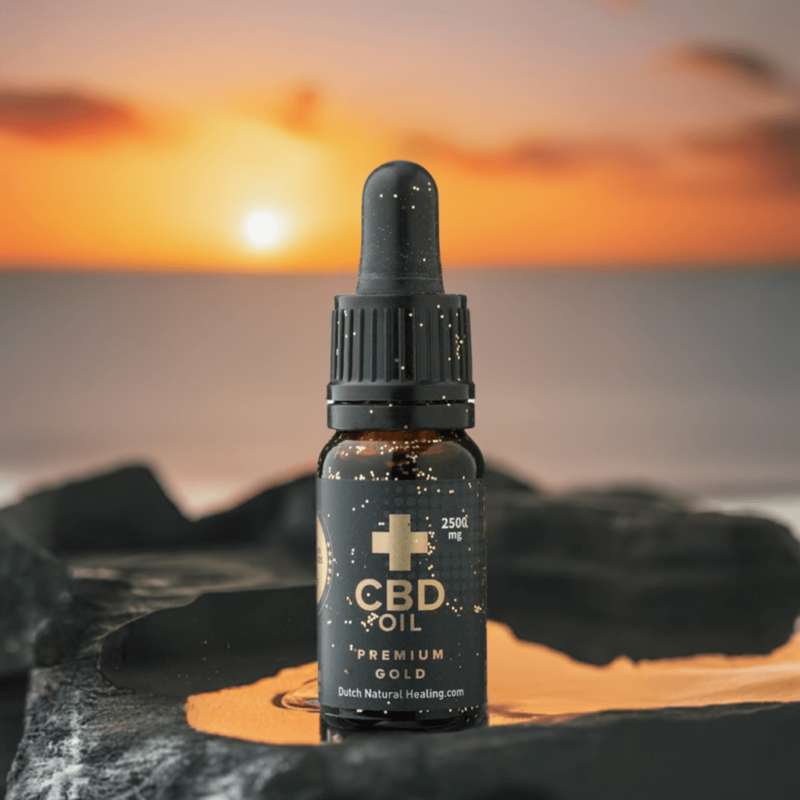
Patients receiving nabiximols (THC:CBD oromucosal spray) alongside opioids exhibited lower pain scores for advanced cancer pain. A large observational study following patients over six months found increased quality of life and decreased opioid use. One study reported 50% of patients taking CBD experienced pain improvements.
What the research shows
However, it is important to note that clinical efficacy receives only weak support from trial data. High-quality randomised controlled trials remain necessary to compare medical cannabis efficacy and safety against placebo and conventional therapies. According to the American Cancer Society, further scientific research on cannabinoids for cancer patients is required.
If you’re considering CBD during cancer treatment, you should speak to your oncologist or other healthcare professional to ensure that it is safe and appropriate for you to do so. This is particularly important as CBD may interact with certain cancer medications or treatments.
Neurological conditions and CBD
Neurological disorders affect millions globally, and CBD has progressed from experimental therapy to FDA-recognised treatment for specific conditions. Evidence supports the use of CBD in neurology, though this stems from its ability to modulate brain chemistry without psychoactive effects.
Epilepsy treatment with prescription CBD
Epidiolex became the first cannabis-derived drug approved by the FDA in 2018 for treating seizures associated with Lennox-Gastaut syndrome and Dravet syndrome in patients two years and older. Studies involving 214 participants showed seizures decreased by an average of 54% during treatment.
Drop seizures reduced by over 40% in two LGS studies compared to less than 20% for placebo groups. The Dravet study found approximately 40% reduction in convulsive seizures occurred compared to 17% for placebo. High doses up to 1,500 mg per day have been repeatedly shown to be well tolerated.
The most common side effects included sleepiness (21%), diarrhoea (17%), fatigue (17%), and decreased appetite (16%), with most described as mild or moderate. This represents a significant advance in epilepsy treatment for patients with these specific, severe forms of the condition.
Multiple sclerosis and Parkinson’s disease research
Multiple sclerosis affects an estimated 2.3 million people worldwide. Currently, 66% of people with MS use cannabis for symptom treatment. Cannabis-based products helped with MS pain and spasticity, with people reporting improvements more frequently than those taking placebo.
For Parkinson’s disease, about 60% of patients experience psychotic symptoms such as hallucinations and delusions. The CAN-PDP trial investigates whether CBD safely reduces these symptoms in patients taking other medications.
How CBD may protect nerve cells
CBD exhibits anti-inflammatory, antioxidative, antiemetic, antipsychotic, and neuroprotective effects. The compound reduces pro-inflammatory cytokines including IL-1β, IFN-γ and IL-12 that break myelin sheaths in demyelination processes. At 5 mg/kg, CBD ameliorated symptoms in animal MS models by reducing microglia activation and T-cell recruitment.
However, it is important to note that research into CBD for most neurological conditions remains in early stages. Further clinical trials are needed to establish effectiveness and safety profiles for conditions beyond the specific epilepsy syndromes where CBD is already approved.
8. May support healthy skin

Skin conditions affect millions of people, and CBD’s interaction with receptors in skin tissue suggests potential benefits for various dermatological concerns. The compound’s anti-inflammatory properties position it as a possible treatment option, though more research is needed to establish definitive therapeutic effects.
How CBD works on skin inflammation
CBD activates PPAR-γ receptors in skin cells whilst decreasing NF-kB levels, two proteins that control inflammatory responses. PPAR-γ provides protective effects with anti-inflammatory, antioxidant, and cell-protecting properties that may benefit conditions characterised by inflammation and skin disorders such as eczema or atopic dermatitis.
Animal studies show promising results. Topical application of 1% CBD gel significantly reduced swelling with decreased immune cell infiltration in inflammation models. However, it is important to note that animal studies don’t always translate to human benefits.
Clinical studies in humans demonstrate some measurable improvements. A shampoo containing 0.075% CBD significantly reduced severity and symptoms of scalp inflammation in patients with mild-to-moderate scalp psoriasis and seborrheic dermatitis. Similarly, 1% CBD-infused gel improved eczema severity scores and reduced itching in atopic dermatitis patients.
CBD for acne and eczema
CBD appears to inhibit sebum production in oil-producing skin cells whilst exerting anti-inflammatory actions. The compound reduces inflammatory substances including IL-6, IL-8, and TNF-α in skin cells stimulated by acne bacteria.
A topical formulation showed a 70.9% reduction in inflammatory acne lesions after 56 days, with a 31.8% reduction at 28 days and 38.2% at 42 days. These results suggest CBD may help reduce acne severity, though more studies are needed.
For eczema, an observational study revealed significant improvements with topical CBD. Patient eczema scores decreased from 16±1.35 at baseline to 8.25±1.80 after two weeks. 67% of subjects reported decreased itch and 50% perceived improvement in their eczema by more than 60%.
If you’re considering CBD for skin conditions, you should speak to your dermatologist or other healthcare professional to ensure it is safe and appropriate for your specific situation.
Could CBD support mental clarity and focus?
Focus and concentration rely on multiple brain systems working together, and early research suggests CBD may influence blood flow patterns that affect cognitive performance. However, it’s important to note that research into CBD’s effects on mental clarity remains in its early stages.
How CBD might affect cognitive function
A single dose of cannabidiol significantly increased blood flow to the hippocampus, the brain region associated with memory and emotion. This marks the first study demonstrating CBD increases blood flow to key regions involved in memory processing. The compound also caused a significant increase in blood flow to the orbitofrontal cortex, the area used for planning and decision making.
CBD enhanced fronto-striatal resting state connectivity compared to both placebo and THC. Neuroimaging studies reveal that acute CBD induces significant alterations in brain activity and connectivity patterns during resting state and cognitive task performance. Participants receiving CBD reported greater clear-headedness alongside feelings of calmness and coordination.
The compound interacts with 5-HT1A serotonin receptors, enhancing serotonin signalling for mood regulation and stress reduction. CBD also inhibits adenosine re-uptake, leading to increased levels of this neurotransmitter with calming effects.
Timing CBD for focus
Taking CBD in the morning promotes daytime focus for some individuals. Low doses may be associated with wakefulness to help focus and cognition during the day.
If you’re considering using CBD for cognitive support, you should speak to your GP or other healthcare professional to ensure that it is safe and appropriate for you to do so. This is particularly important if you have any pre-existing conditions or are taking medication that might interact with CBD.
Could CBD help with substance use recovery?

Addiction presents challenges that extend beyond physical dependence, and early research suggests CBD might influence brain circuits involved in drug-seeking behaviour. However, it’s important to note that this research remains in its early stages.
If you’re struggling with substance use, you should speak to your GP or other healthcare professional who can provide appropriate support and treatment options.
Early research findings
Animal studies have examined CBD’s potential effects on various substances. Research suggests CBD may reduce certain behaviours associated with heroin, morphine, cocaine, and amphetamines. One small study involving 24 smokers found a 40% reduction in cigarettes smoked when using a CBD inhaler.
Studies on cravings and withdrawal
A clinical trial with 42 individuals recovering from heroin use disorder found that CBD reduced cue-induced craving and anxiety compared to placebo. These effects appeared to last up to 7 days after administration. CBD also reduced heart rate and cortisol levels triggered by drug-related environmental cues.
Some research suggests prescription opioid use decreased by 40-60% among patients using cannabis-based products, though this requires further investigation.
Important limitations
The evidence for CBD in addiction treatment comes primarily from animal studies and very small human trials. Much more research is needed to understand whether CBD might be helpful for substance use recovery, and if so, how it should be used safely.
This is particularly important given that substance use disorders require comprehensive medical care, and CBD should never replace established addiction treatments or professional medical supervision.
If you’re considering CBD alongside addiction treatment, discuss this with your healthcare team who can advise whether it’s appropriate for your specific situation.
Conclusion
The 10 benefits of CBD span pain management, sleep quality, anxiety relief, and cardiovascular health, all supported by scientific research. CBD oil benefits work through your endocannabinoid system without producing psychoactive effects, making it accessible for daily wellness routines.
As long as you choose quality products and start with appropriate dosages, CBD offers a natural approach to addressing multiple health concerns. Whether you select full-spectrum oils for the entourage effect or topicals for targeted relief, understanding these benefits helps you make informed decisions.
Research continues to expand, yet current evidence provides a solid foundation for incorporating CBD into your wellness strategy.
FAQs
Q1. What are the potential benefits of using CBD daily? CBD may offer several wellness benefits when used regularly, including pain relief, improved sleep quality, reduced anxiety, and anti-inflammatory effects. Research also suggests potential benefits for cardiovascular health, skin conditions, and post-workout recovery. However, individual responses vary, so it’s advisable to start with a low dose and monitor your body’s reaction.
Q2. What dosage of CBD is recommended for beginners? For those new to CBD, it’s best to start with a low dose of around 5 to 10 mg taken twice daily. If you don’t experience the desired effects after three to four days, you can gradually increase the amount by the same increment. Factors such as body weight, individual biochemistry, and the specific condition being addressed will influence your optimal dosage.
Q3. Can CBD help reduce inflammation in the body? Yes, CBD demonstrates anti-inflammatory properties by suppressing pro-inflammatory cytokines and reducing the activity of immune cells that contribute to inflammation. Studies show that CBD can reduce inflammation markers following exercise and may help with conditions characterised by chronic inflammation, such as arthritis and inflammatory bowel conditions.
Q4. Does CBD provide relief for neuropathic pain? CBD shows promise as a complementary approach for neuropathic pain management. It interacts with pain receptors in the nervous system and can reduce the sensitivity of pain neurons to inflammatory stimuli. At low concentrations, CBD has been shown to suppress nociceptor excitability and prevent sensitisation caused by certain medications, offering potential relief without the harsh side effects of traditional pain medications.
Q5. How does CBD differ from THC in terms of effects? Unlike THC, CBD is non-psychoactive and doesn’t produce a “high.” Whilst THC binds directly to cannabinoid receptors in the brain, CBD works differently by preventing the breakdown of your body’s natural endocannabinoids and potentially interacting with other receptor systems. CBD typically doesn’t cause negative effects and has a very low potential for dependence compared to THC.