

A beginners guide to CBD, CBD, Health and Wellness
What Does CBD Do? A Simple Guide to Daily Benefits (2025)

Nov
Table of Contents
What Does CBD Do?
What does CBD actually do in your body, and could it benefit your daily health routine? You’ve likely heard about CBD being used for anxiety, chronic pain, and sleep issues, but understanding exactly how this compound works remains essential before considering its use.
CBD, or cannabidiol, is a non-intoxicating compound found in cannabis and hemp plants that has gained widespread attention in recent years. Unlike its cousin THC, CBD doesn’t cause a ‘high’, yet some believe it may offer potential health benefits. However, it’s important to note that research into CBD’s effects is still developing, and more studies are needed to fully understand its therapeutic potential.
Early evidence suggests CBD may be effective for certain conditions. Research indicates it might help reduce some types of pain associated with fibromyalgia, while a 2024 study found that 15mg of CBD was as effective for improving sleep quality as 5mg of melatonin. Some studies also suggest CBD may help reduce cancer-related symptoms including nausea, vomiting, and pain. Evidence from 2017 research showed CBD helped reduce seizure activity in children with Dravet syndrome.
If you’re considering using CBD, you should speak to your GP or other healthcare professional to ensure that it is safe and appropriate for you to do so. This is particularly important if you are experiencing any concerning symptoms, have pre-existing conditions, or are taking any medication.
This guide will examine how CBD interacts with your body, what the current research tells us about its potential benefits, and the factors that might influence how it works for different people.
How CBD works in your body
CBD works differently from THC, interacting with multiple systems throughout your body without causing intoxication. Understanding these interactions helps explain why CBD may produce therapeutic effects.
CBD and the endocannabinoid system
Your body has a system called the endocannabinoid system that helps regulate sleep, pain, mood, and immune responses. This system consists of cannabinoid receptors (primarily CB1 and CB2), natural substances called endocannabinoids, and enzymes that create and break down these compounds.
However, CBD doesn’t work the same way as THC. While THC directly activates cannabinoid receptors, CBD functions differently. It acts as what scientists call a “negative allosteric modulator” at CB1 receptors, essentially changing how these receptors respond to other compounds. CBD also helps your natural endocannabinoids last longer by preventing their breakdown, which may allow them to have greater effects.
Why CBD doesn’t cause a ‘high’
Although CBD and THC share identical molecular structures, they interact with your body very differently:
- THC directly binds to CB1 receptors in your brain, producing the characteristic ‘high’ sensation
- CBD doesn’t bind directly to CB1 receptors and therefore doesn’t cause intoxication
This fundamental difference explains why CBD doesn’t produce psychoactive effects despite being chemically similar to THC. THC activates cannabinoid receptors, whereas CBD modifies how these receptors respond to other substances.
Other ways CBD affects the body
CBD’s potential therapeutic effects may come from its ability to influence multiple receptor systems beyond the endocannabinoid system:
Pain and inflammation receptors (TRPV1): CBD activates these receptors, which may help with pain relief through a process called receptor desensitization.
Serotonin receptors (5-HT1A): CBD works as an agonist at these receptors, which may explain its potential anxiety-reducing properties.
GABA receptors: CBD acts as an allosteric modulator of these inhibitory neurotransmitter receptors, potentially increasing GABA’s effectiveness and explaining its possible calming effects.
CBD may also influence other channels that regulate nerve activity, providing additional mechanisms for its potential therapeutic effects. However, more research is needed to fully understand these complex interactions.
What is CBD used for?
Supporters of CBD believe it may help a number of conditions. However, it is important to note that research into CBD’s effects is still developing, and more studies are needed to establish its therapeutic benefits conclusively.
CBD is often considered for the following conditions:
1. Anxiety and stress relief
Early evidence looking into the use of CBD for anxiety has found some promising results. Nearly 80% of participants in one study reported lower anxiety levels within a month of using CBD. A substantial meta-analysis revealed that CBD-assisted therapy significantly improved anxiety symptoms.
CBD’s potential calming effects on the nervous system may make it valuable for conditions like generalised anxiety disorder, panic disorder, and post-traumatic stress disorder. However, more clinical trials are needed to establish optimal dosing and long-term safety for these applications.
2. Sleep disorders
Studies suggest CBD may increase total sleep percentage, particularly at mid to high doses. A 2024 study found that 15mg of CBD was as effective for improving sleep quality as 5mg of melatonin. One clinical investigation showed that 160mg of CBD per day increased sleep duration and reduced nighttime wakings.
Initial results often show improvement in 65% of participants, though benefits may vary over time. Further randomised, placebo-controlled studies are needed to confirm these sleep-related benefits.
3. Chronic pain and inflammation
CBD’s impact on pain management stems from its anti-inflammatory properties and interaction with the endocannabinoid system. Research suggests CBD may offer relief for certain types of chronic pain, especially fibromyalgia. Multiple reviews indicate that cannabis-based medicines show potential to achieve greater than 50% pain relief compared to placebo.
Many users report improved sleep quality as a secondary benefit of pain reduction. However, there are currently no licensed CBD products specifically for pain management available in the UK.
4. Skin and neurological conditions
CBD shows promise for various skin disorders due to its anti-inflammatory properties. Topical CBD application may benefit conditions like eczema, psoriasis, and other inflammatory skin conditions.
For neurological health, evidence supports CBD’s effectiveness for certain types of epilepsy. CBD may also offer neuroprotective benefits for conditions including multiple sclerosis, Parkinson’s disease, and Alzheimer’s disease through its antioxidant and anti-inflammatory mechanisms. Although these findings are encouraging, much of this research remains in early stages.
Factors that influence how CBD works
Your response to CBD will vary based on several important factors that affect both its effectiveness and the appropriate amount for your needs. Understanding these variables helps explain why CBD might work differently for different people.
Individual factors: body weight, age, and metabolism
Your body weight plays a significant role in how CBD affects you, with heavier individuals often requiring higher amounts to experience the same effects. Your metabolism is equally important – people with faster metabolisms may process CBD more quickly, potentially requiring more frequent use. Age can also influence how your body handles CBD, as liver function naturally changes over time, affecting how quickly the compound is processed.
These physiological differences explain why there’s no universal CBD dosage that works for everyone. What proves effective for one person may be too little or too much for another.
Product types and how they work
The way you take CBD significantly affects how quickly it works and how long the effects last:
- Oils and tinctures: Absorbed quickly when held under the tongue for about 60 seconds, allowing for precise dosage control
- Capsules and edibles: Take longer to work as they must be digested, but provide consistent, convenient dosing
- Topical products: Applied directly to the skin for targeted relief without affecting the whole body
- Vaping products: Offer the fastest absorption, though potential health concerns exist with inhalation methods
It’s worth noting that taking CBD orally typically shows lower absorption rates than other methods due to breakdown in the stomach and processing by the liver.
Understanding CBD types: full-spectrum, broad-spectrum, and isolate
The type of CBD product you choose can influence its effectiveness:
Full-spectrum CBD contains all compounds from the cannabis plant, including trace amounts of THC (less than 0.3%). This may create what researchers call the “entourage effect,” where different compounds work together to enhance benefits.
Broad-spectrum products contain multiple cannabis compounds but have THC completely removed.
CBD isolate is pure CBD (99%) with no other compounds. While this eliminates any THC concerns, it may be less effective than full-spectrum products.
Timing and consistency matter
Regular, consistent use appears to be key for experiencing CBD’s potential benefits. Many people find it helpful to incorporate CBD into their daily routine, whether that’s with their morning routine or before bed.
Patience is important, as research suggests it may take up to eight weeks of consistent use to experience the full potential benefits. Maintaining regular timing and consistent amounts helps your body develop a predictable response to CBD.
If you’re considering CBD, speak to your GP or healthcare professional to ensure it’s appropriate for your situation, particularly if you have existing health conditions or take other medications.
How much CBD should you take?
Determining the right CBD dosage requires a careful, gradual approach. The amount that works for you depends on several individual factors, and finding your optimal dose takes patience and careful monitoring.
Start low and increase gradually
“Start low and go slow” remains the fundamental principle of safe CBD use. Most experts recommend beginning with just 10-20mg daily, then increasing in small increments. The Food Standards Agency advises healthy adults to limit consumption to 10mg daily (equivalent to about 4-5 drops of 5% CBD oil). This cautious approach allows you to observe how your body responds before gradually adjusting upward by 5mg every 1-2 weeks.
Dosage ranges used in research
Clinical studies have explored CBD dosages ranging from under 1mg/kg to 50mg/kg daily. However, everyday users typically consume between 10-100mg daily. Research suggests therapeutic benefits may become more apparent at doses above 300mg, particularly for anxiety relief. A 2021 review found that most participants used less than 50mg daily with reported benefits.
Signs your dose may need adjustment
You should consider increasing your dose if symptoms persist despite regular use. However, excessive drowsiness, headaches, or digestive discomfort may indicate you’re taking too much. If effects wear off too quickly, small adjustments might help maintain consistent relief throughout the day.
When you should consult a doctor
Always seek medical guidance before using CBD with other medications. This is particularly important if you experience persistent side effects, if you’re considering doses above 40mg daily, or if you have underlying conditions such as liver disease.
Pregnant women, breastfeeding mothers, children, and those trying to conceive should avoid CBD altogether. Additionally, if you’re taking any prescription medications, especially those with grapefruit warnings, professional consultation becomes essential before starting CBD.
CBD and your daily wellness routine
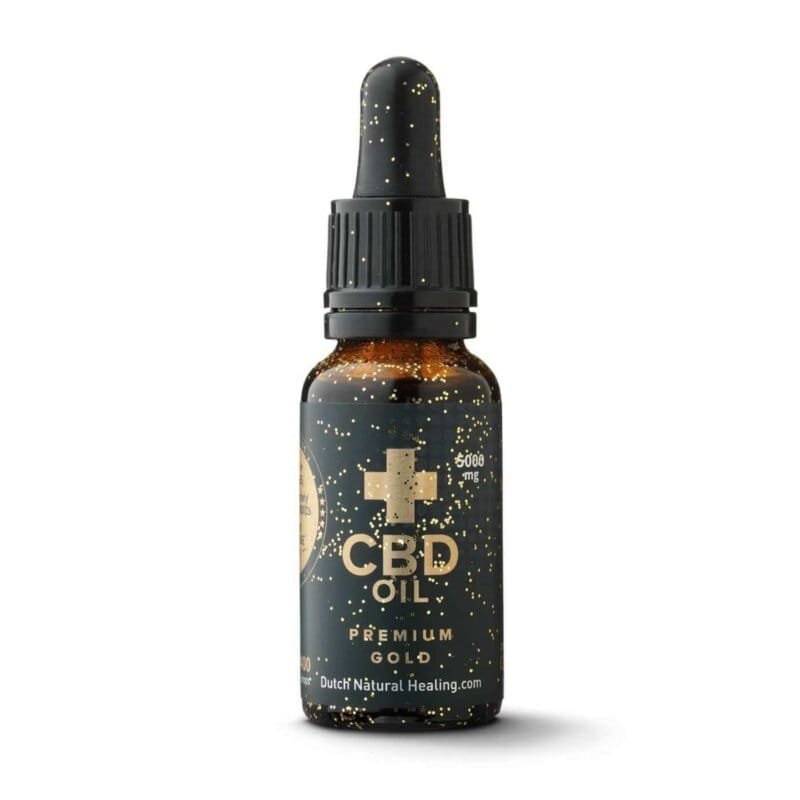
CBD may offer potential benefits for daily wellness without the intoxicating effects associated with THC. Current research suggests it might help with anxiety, sleep quality, chronic pain, and certain other conditions, although much remains to be discovered about this compound.
Individual responses to CBD vary considerably. Factors including body weight, metabolism, product type, and consistency of use all influence how CBD might work for you. This variability explains why finding an effective routine often requires patience and careful attention to your body’s responses.
If you’re considering using CBD, you should speak to your GP or other healthcare professional to ensure that it is safe and appropriate for you to do so. This is particularly important if you are taking any medication or have underlying health conditions.
The Food Standards Agency recommends that healthy adults don’t consume more than 10mg of CBD daily (equivalent to around 4-5 drops of 5% CBD oil). Starting with low doses and increasing gradually allows you to monitor how your body responds while minimising potential side effects.
Although research into CBD shows promising results, the science is still developing. Further studies are needed to fully understand its long-term effects and optimal applications. CBD should not be used by pregnant or breastfeeding women, and anyone considering higher doses should seek professional guidance.
CBD represents one potential option among many for supporting wellbeing. While some people report benefits, responses vary widely between individuals. The key to safe use lies in understanding the current evidence, starting cautiously, and maintaining open communication with healthcare professionals about your experience.
Key Takeaways
Understanding CBD’s mechanisms and benefits can help you make informed decisions about incorporating this versatile compound into your wellness routine.
• CBD works through multiple pathways beyond the endocannabinoid system, influencing serotonin, GABA, and pain receptors without causing intoxication like THC
• Research shows CBD may effectively reduce anxiety (80% of users report improvement), enhance sleep quality, and manage chronic pain and inflammation
• Your individual response depends on body weight, metabolism, product type, and CBD spectrum – full-spectrum products often provide enhanced benefits through the “entourage effect”
• Start with 10-20mg daily and increase gradually every 1-2 weeks to find your optimal dose while monitoring for side effects
• Consistency matters most – regular daily use for up to 8 weeks may be needed to experience full therapeutic benefits
Always consult healthcare professionals before combining CBD with medications or if you have underlying health conditions, as safety should remain your top priority.